ADHD and autism testing for adults
The tools we use
Tools support our judgment. They don't replace it.
Every evaluation starts with a conversation. Then we add tests and questionnaires that fit your questions. Here's what we use and why.
Pay one visit at a time. HSA and FSA cards accepted.

Every evaluation comes with
- 4 to 6 hours with you
- Over three visits. Never a 15-minute slot.
- A written report and care plan
- In every state. Share it with your doctors.
- A superbill after each visit
- Send it to your insurance. You may get money back.
- The same price in five states
- NJ, NY, DC, FL, and CA.
What we use
Our evaluation toolkit
No single test can diagnose ADHD or autism. We combine several sources so your answer is one you can trust.
A clinical interview about your life now and growing up.
Adult rating scales, like the ASRS and Conners' adult scales.
QbCheck, an FDA-cleared test of attention, activity, and impulse control.
Creyos, short tasks that measure memory, attention, reasoning, and verbal skills.
Autism questionnaires and structured assessments made for adults.
Input from people who know you, like a parent or partner, if you choose.
We pick the tools that fit your questions. Not everyone takes every test.
Why it matters
Tools support judgment
A test score alone can mislead. Stress, sleep, and mood can all change results. That's why we always read results alongside your history.
A quick online screen
- One checklist
- No objective testing
- No check for look-alike conditions
- No one to explain the results
Our approach
- A real conversation first
- Objective tests when they help
- Checks for look-alikes, like sleep and mood issues
- A written report you can share
- Results explained in plain language

How we decide
Choosing the right tools for you
- We listen first
- Your first visit is about your history and what's hard right now.
- We pick your tests
- We choose the tests and questionnaires that fit your questions, whether that's ADHD, autism, or both.
- We put it all together
- We combine your history, test results, and questionnaires. Then we explain what we found and what comes next.
Good to know: the tests we use are included in your evaluation. There are no add-on testing fees.
Learn more
Our tests, explained
Learn more about the tests we use most.
ADHD testing with QbCheck
An FDA-cleared online test of attention, activity, and impulse control.
ADHD testing with Creyos
Short tasks that show how memory and attention work in ADHD.
Cognitive testing for autism
How Creyos helps us understand autistic strengths.
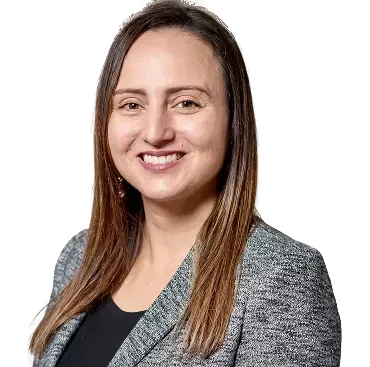
Our founder
Founded by a clinician who was diagnosed with ADHD as an adult
Karina Campos, APN-BC, founded Neurokin in 2023. She is a board-certified nurse practitioner with more than 10 years of experience.
Karina was diagnosed with ADHD in her late 30s. She knows what it's like to go years without answers. She built Neurokin to give adults the thoughtful, respectful care she wished she'd had. Everything we do follows that standard.
- APN-BC
- ADHD-CCSP
- DEA-licensed in NJ and NY
- Licensed in DC, FL, and CA
Where we practice
The same tools in five states
The tools are the same in every state. The only difference is who prescribes.
New Jersey & New York
Full care
We evaluate, diagnose, write your care plan, prescribe, and manage your ongoing care.
Washington DC, Florida & California
Evaluation and care plan
We evaluate, diagnose, and write your care plan, online. Your own doctor prescribes, using our plan.
See where we practice.
Pricing
Clear prices. Pay one visit at a time.
You see the full price before you book. We don't bill insurance, so you always know what you'll pay.
Pay on the day of each visit. No big upfront payment.
A superbill after every visit. Send it to your insurance. You may get money back.
HSA and FSA cards accepted for every service.
The same price in every state we serve.
Reviews
Real patients, real progress
5.0 average from 159 reviews on Google, Zocdoc, and Healthgrades.
Start with one visit.
You don't need to know which tests you need. Your first visit is a talk about your history and what's going on. You'll leave knowing what comes next, and you only pay for that visit.
Questions
Questions about our tools
Don't see your question? Call (908) 215-2331 or send us your question.
Which tests will I take?
It depends on your questions. Your care team picks the tests and questionnaires that fit your evaluation.
Can a test diagnose ADHD or autism?
No. No single test can. We use tests together with your history and our clinical judgment.
What is QbCheck?
An FDA-cleared online test. It measures attention, activity, and impulse control, and compares your results to people your age and sex.
What is Creyos?
A set of short online tasks that measure memory, attention, reasoning, and verbal skills.
What rating scales do you use?
For ADHD, we use adult scales like the ASRS and Conners' adult rating scales. For autism, we use questionnaires and structured assessments made for adults.
Can I do the tests at home?
Many of them, yes. We send you secure links. Some parts happen during your online or in-person visits.
Do the tests cost extra?
No. The tests we use are included in your evaluation. See our pricing page for evaluation prices.
Will I see my results?
Yes. We go over them with you in plain language and include them in your written report.
Can someone who knows me take part?
Yes, if you choose. A parent, partner, or old friend can share what they've noticed. It helps, but it isn't required.
Do you take insurance?
No, we don’t bill insurance. After each visit, we give you a superbill to send to your insurer. If your plan has out-of-network benefits, you may get some money back. HSA and FSA cards work too.